


Fine Lines and Wrinkles
A doctor-led approach to skin quality, structural support, and natural-looking refinement.
Fine lines and wrinkles are a natural part of skin ageing — not a problem to be erased, but a change to be understood. Over time, they reflect shifts in collagen, elastin, cellular turnover, and the structural support beneath the skin. A more considered approach does not aim to make every line disappear. It aims to identify what type of change is occurring, then choose the most appropriate pathway to help the skin look fresher, smoother, and more rested — while preserving character and identity.
Request a Private Consultation
Why fine lines and wrinkles develop
Fine lines and wrinkles rarely develop for one reason alone. In most patients, they reflect a combination of changes taking place gradually over time.
As collagen and elastin production slows, the skin becomes less resilient and less able to recover. Sun exposure and oxidative stress accelerate the breakdown of existing collagen. Subtle shifts in facial volume, tissue support, and bone structure change the way the skin sits over the face. The visible result may be early textural lines, more deeply etched wrinkles, or folds that relate more to tissue descent than to surface damage.
Understanding which of these is driving the change is the starting point for any meaningful treatment plan.
Not all wrinkles are the same — and treatment should reflect that
One of the most common misconceptions about wrinkle treatment is that the same approach works for every line. In practice, what matters most is identifying the type of change present — because surface lines, deeper wrinkles, and laxity-related folds often require quite different approaches.
Surface fine lines
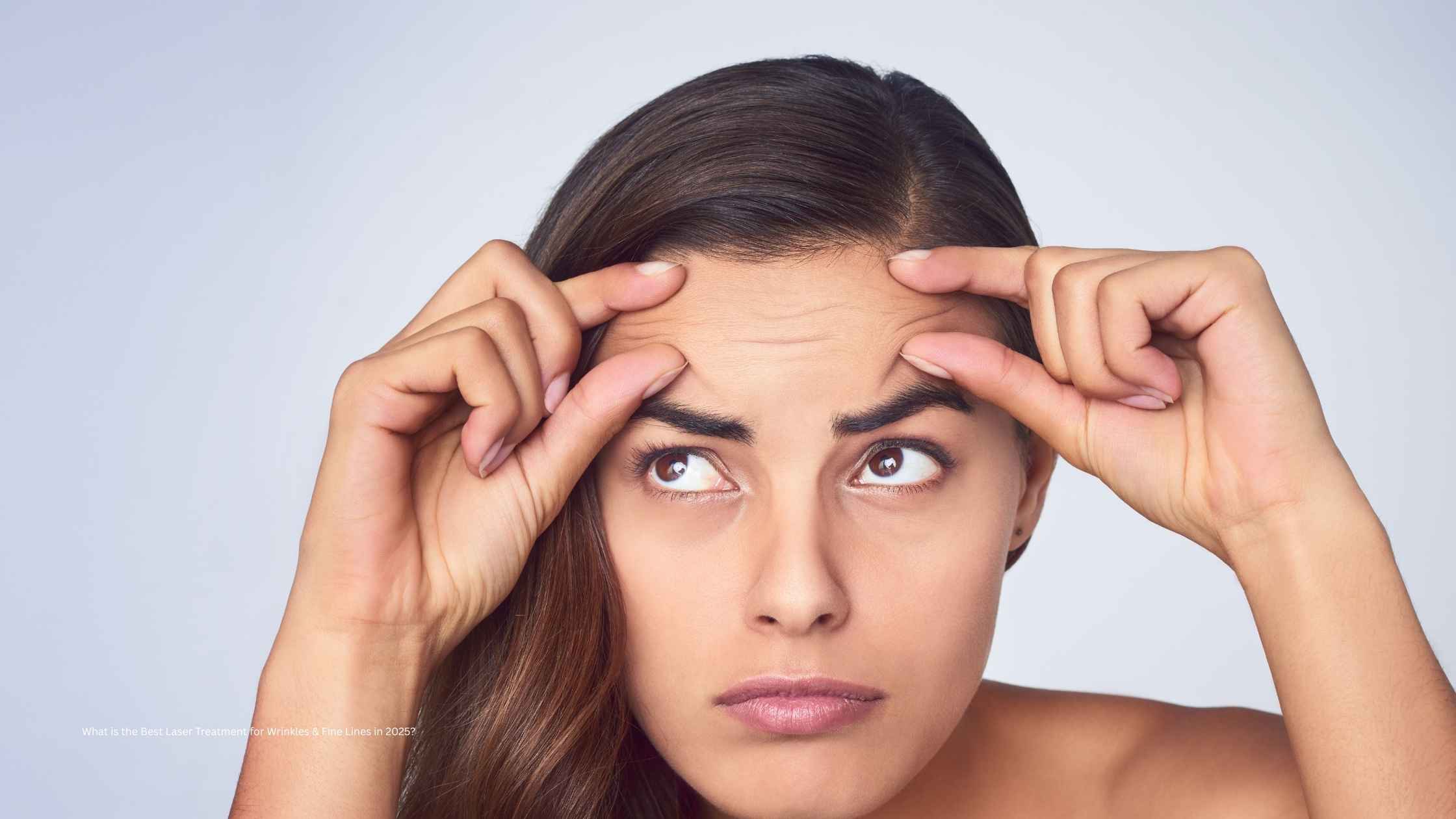
Shallower, textural lines that give the skin a more creased or delicate appearance. They are often associated with early collagen decline, dehydration, and cumulative sun exposure.
Deeper etched wrinkles
Lines that remain visible even when the face is fully at rest. They typically suggest more established structural change within the skin.
Laxity-related folds
Not all folds are primarily surface lines. Some are created by tissue descent and reduced structural support — changes that are better addressed at a deeper level than the skin surface alone.
Expression-related lines
These develop through repeated facial movement over time — smiling, frowning, squinting — and may become more visible at rest as the skin loses its resilience.
Treatment options for fine lines and wrinkles in Brisbane
Because different types of lines require different approaches, treatment at Eleventh Heaven is selected according to the nature of the change, skin quality, downtime tolerance, and the overall result being sought — not according to a fixed device protocol.
MOXI® laser
For earlier fine lines, skin quality changes, and lower-downtime maintenance, MOXI® laser may be appropriate. It is a non-ablative fractional laser used to support cellular renewal, improve texture, and refine early visible ageing changes, with recovery that typically spans several days.
HALO® hybrid fractional laser
For more established textural change and deeper etched lines, HALO® hybrid fractional laser may be considered where appropriate. HALO combines ablative and non-ablative wavelengths to support both deeper collagen remodelling and surface refinement.
ProFractional™ laser
Where more targeted resurfacing is required, ProFractional™ laser may form part of the treatment plan. It is used in selected patients when a more focused approach to etched lines or textural irregularity is appropriate.
Ultherapy PRIME™
Where the concern relates more to tissue descent and structural laxity than to surface change, Ultherapy PRIME™ may be more relevant. It uses micro-focused ultrasound with real-time visualisation to support deeper structural lifting over time.
How treatment is planned at Eleventh Heaven
Treatment planning at Eleventh Heaven is not built around a preferred device or a fixed pathway. It is built around assessment.
The most appropriate plan depends on the type of line, the quality and condition of the skin, the degree of laxity present, the downtime a patient is prepared to accept, and the overall aesthetic goal. In some patients, a lower-downtime maintenance approach is the right starting point. In others, deeper resurfacing or structural support makes more clinical sense.
Treatment is overseen by Dr Ricky Sia within a consultation-first framework designed to support natural-looking, identity-preserving outcomes.
Frequently Asked Questions
What causes fine lines and wrinkles?
Fine lines and wrinkles develop through a combination of collagen decline, elastin loss, sun exposure, oxidative stress, repeated facial movement, and changes in the deeper structural support of the face over time.
Are all fine lines and wrinkles treated the same way?
No. Surface lines, deeper etched wrinkles, and laxity-related folds reflect different types of change and often benefit from different treatment approaches. Identifying the type of change present is the starting point for any plan.
What is the difference between fine lines and deep wrinkles?
Fine lines are typically shallower and more textural, often linked to early collagen decline and sun exposure. Deep wrinkles are more structurally established and remain visible at rest. They may require a more intensive approach.
What age should I start treating fine lines?
There is no fixed age. Some patients begin lower-downtime maintenance earlier to support skin quality over time. Others seek treatment once visible changes become more established. The right approach depends on the individual, not a number.
Can laser treatment remove deep wrinkles?
More intensive resurfacing can meaningfully soften and refine deeper lines, but the aim is noticeable, natural-looking improvement rather than complete removal. Overclaiming on outcomes is something Eleventh Heaven avoids.
Is Ultherapy PRIME or laser resurfacing better for wrinkles?
It depends on the primary cause of the concern. Laser resurfacing is generally more relevant for surface texture and etched lines. Ultherapy PRIME™ is more relevant where tissue descent and laxity are contributing factors. Many patients benefit from both, at different stages.
Will I still look like myself after treatment?
That is always the intention. Treatment planning at Eleventh Heaven is specifically designed to help patients look fresher and more rested — not different, and not overdone.
How much downtime is involved?
Downtime varies considerably depending on the treatment selected. Lower-downtime options like MOXI® differ significantly from more intensive resurfacing treatments like HALO® or ProFractional™. This is discussed in detail during consultation.
How many sessions are usually needed?
This depends on the modality, skin condition, and degree of change being sought. Some patients benefit from a course of sessions initially; others are better suited to a maintenance interval approach.
Can men benefit from these treatments?
Yes. Many men seek discreet, natural-looking improvement in skin quality and visible ageing changes. Treatment planning for men follows the same assessment-led approach.
Do I need a consultation before treatment?
Yes. A consultation is required before first treatment to assess the type of change present and determine the most appropriate pathway.
Book your consultation
If you are looking for a clinically credible, unhurried approach to fine lines, wrinkles, and skin quality, we invite you to arrange a private assessment at Eleventh Heaven in Teneriffe, Brisbane.
Request a Private Consultation
Serving Brisbane & Beyond
Eleventh Heaven is located in Teneriffe, Brisbane, and welcomes patients from across Newstead, New Farm, Fortitude Valley, the Brisbane CBD, and beyond. We also care for selected patients travelling from the Gold Coast, Sunshine Coast, and Northern New South Wales who value a discreet, doctor-led approach.
Eleventh Heaven
37 Doggett Street
Teneriffe QLD 4005
07 3067 7411